

Detoxification Program Benefits and Risks Canada: What You Need to Know Before You Start
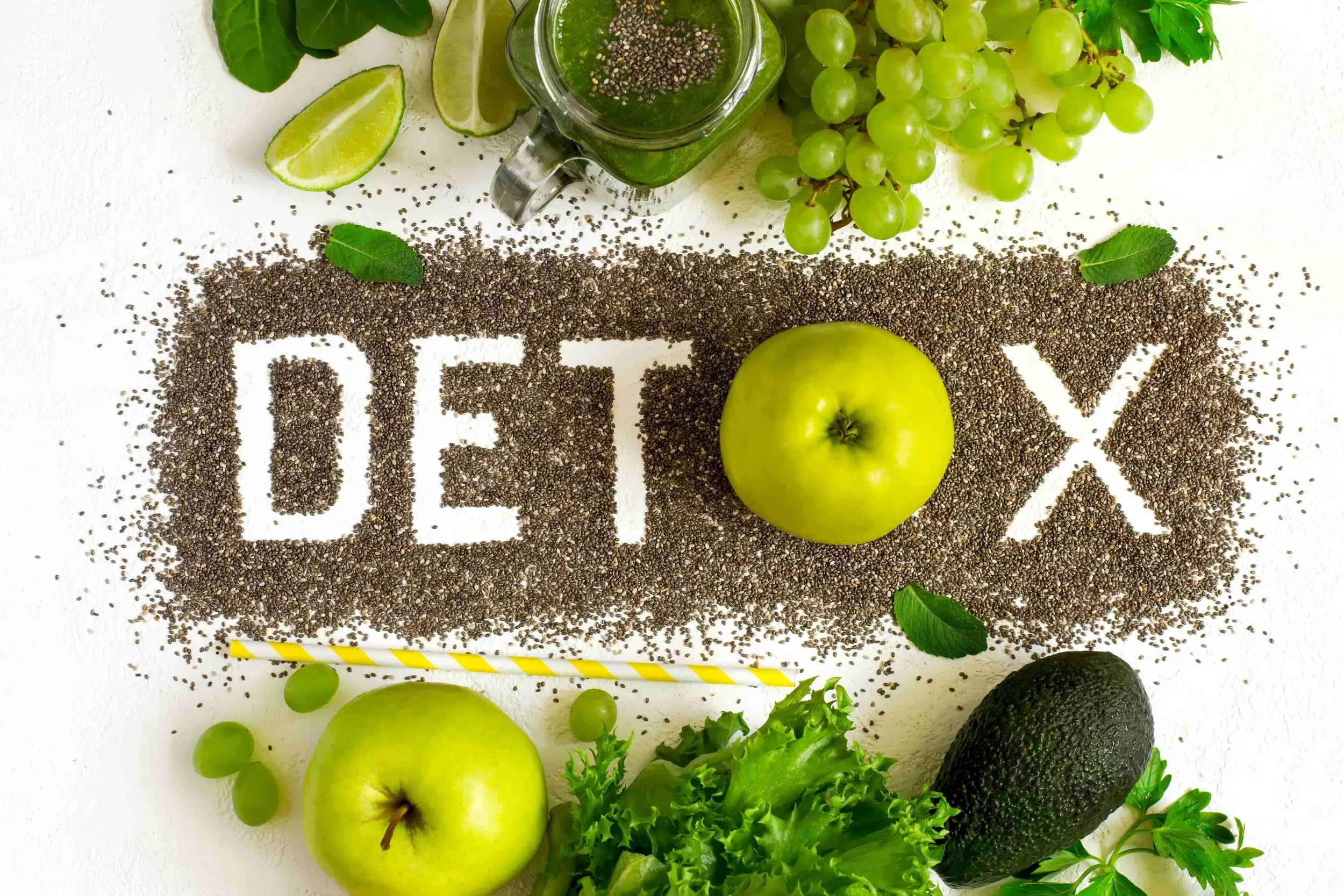 "Detoxification Program Benefits and Risks Canada: What You Need to Know Before You Start")
If you’ve ever searched for detoxification program benefits and risks in Canada, you’ve likely seen hundreds of options promising everything from improved energy to clearer skin and rapid weight loss. While the word “detox” has become popular, it’s also misunderstood. True detoxification isn’t about fasting or juice cleanses — it’s about supporting your body’s natural ability to process and eliminate toxins safely and effectively.
At NP Optimal Health, we see detoxification as a foundation of functional wellness, not a quick fix. This guide explains what detoxification programs are, how they work, what benefits they can realistically provide, the risks of doing them incorrectly, and how to choose an evidence-based plan that’s safe for your body.
What Is Detoxification?
Detoxification is the body’s natural process of converting toxins into less harmful compounds and eliminating them through the liver, kidneys, skin, and digestive tract. Every day, we’re exposed to chemicals from food, water, air, and household products. Over time, these exposures can burden the liver and lead to symptoms such as fatigue, brain fog, digestive issues, or skin problems.
A professional detoxification program doesn’t replace what your body already does — it enhances it. By providing key nutrients, hydration, and lifestyle support, a structured program helps your organs process waste more efficiently while reducing additional exposure to toxins.
How Detoxification Works in the Body
The liver is the star of the detox system, using two main phases of biochemical reactions.
Phase 1 (Transformation):
The liver is the star of the detox system, and this first stage begins when specialized enzymes—mainly from the cytochrome P450 family—transform toxins, hormones, and metabolic waste into intermediate compounds. These transformations often make toxins more chemically active, which can actually increase their potential to cause harm if not properly neutralized in the next phase. During this step, the body relies heavily on nutrients like B vitamins, magnesium, and antioxidants to support enzyme activity and prevent oxidative stress. If Phase 1 moves too quickly or Phase 2 can’t keep up, these reactive intermediates can accumulate, leading to fatigue, headaches, or inflammation.
Phase 2 (Conjugation):
Once toxins are transformed, the liver begins “conjugating” them—binding them with molecules like amino acids (glycine, taurine), sulfur compounds (found in cruciferous vegetables), and antioxidants like glutathione. This process neutralizes the reactive intermediates from Phase 1, rendering them less toxic and more water-soluble so they can be safely excreted. Nutrient support is essential here: without enough protein, sulfur, or antioxidants, detoxification slows and toxins may recirculate. Proper liver support through whole foods, hydration, and rest ensures this critical biochemical step runs efficiently.
Elimination:
After toxins have been neutralized and converted into water-soluble forms, they must leave the body through the kidneys (urine), bowels (stool), or skin (sweat). Each route of elimination plays a vital role—kidneys filter blood, the intestines bind and remove waste via bile, and sweating helps release trace toxins through the pores. Hydration is key for kidney function, while fiber supports bowel regularity and prevents reabsorption of waste products. When elimination is sluggish—due to dehydration, constipation, or poor circulation—detoxification can stall, allowing toxins to linger in the system.
The Importance of Balance:
A well-designed detoxification program supports all three stages—transformation, conjugation, and elimination—without overwhelming the body. Too much stimulation of Phase 1 without supporting Phase 2 can create an imbalance that increases oxidative stress rather than reducing it. Gentle, nutrient-dense approaches that emphasize hydration, balanced nutrition, and rest promote steady, effective detoxification. True detoxification is not about deprivation or extreme cleansing—it’s about optimizing the body’s natural ability to process and eliminate waste efficiently.
A well-designed detoxification program ensures that each phase functions smoothly — without overwhelming the body or creating new imbalances.
Benefits of a Structured Detoxification Program
Many people start a detox hoping to “reset” their health, and while expectations should remain realistic, a structured approach can yield measurable benefits when medically guided.
1. Improved Energy and Mental Clarity:
When the liver and digestive systems function efficiently, the body spends less energy processing accumulated toxins and waste. As a result, people often experience clearer thinking, better focus, and more stable energy throughout the day. Supporting detox pathways through proper nutrition, hydration, and sleep helps stabilize blood sugar and hormone levels, which further enhances alertness. This effect is especially noticeable in those who previously consumed processed foods or stimulants that taxed the liver or adrenals.
2. Enhanced Digestive Health:
Many detox programs reduce the intake of common irritants—such as processed sugars, alcohol, and refined carbohydrates—which allows the gut lining to repair and inflammation to subside. Increased fiber, fluids, and whole foods help regulate bowel movements and improve the gut microbiome balance. This can reduce bloating, gas, and discomfort associated with sluggish digestion or dysbiosis. By promoting regular elimination, detoxification supports the body’s most direct route of toxin removal: the bowels.
3. Clearer Skin and Reduced Inflammation:
Because the skin is one of the body’s elimination organs, internal imbalances or toxic buildup often manifest as breakouts, dullness, or irritation. Detoxification programs rich in antioxidants and anti-inflammatory foods help calm the skin by reducing free radical damage and supporting circulation. Improved hydration and nutrient intake (especially vitamins A, C, and E, and zinc) further promote collagen health and repair. Many people notice a visible glow or smoother complexion within a few weeks of supporting detox pathways.
4. Balanced Hormone Function:
The liver also metabolizes hormones, particularly estrogen and cortisol. When it functions efficiently, it helps maintain hormonal balance, reducing symptoms like PMS, bloating, or mood swings. Detoxification programs that focus on liver-supportive nutrients—such as cruciferous vegetables, healthy fats, and amino acids—can enhance this natural regulation. Over time, better hormone metabolism supports steadier moods, improved sleep, and better stress resilience.
Common Detoxification Myths
It’s important to separate marketing myths from medical facts.
Myth 1: Detoxing means starvation.
Fasting or surviving on juices is not true detoxification. Your body requires amino acids, vitamins, and minerals to neutralize toxins. Without adequate nutrition, you may feel worse, not better.
Myth 2: All detox products are safe.
Over-the-counter “detox teas” or herbal blends can act as laxatives, leading to dehydration or electrolyte imbalance. Safety depends on the product quality and how it’s used.
Myth 3: Everyone needs a detox every month.
The body detoxifies daily, and excessive or repeated cleanses can stress the system. A seasonal or targeted program guided by a practitioner is more effective and sustainable.
Risks of Unsuitable or Extreme Detox Programs
Not all detoxes are beneficial. Some can cause more harm than good if not tailored to your individual health.
1. Nutrient Deficiencies from Restrictive Plans:
Some commercial detoxes or juice cleanses drastically limit calories, fats, or proteins, depriving the body of essential nutrients needed for liver conjugation and energy production. This restriction can weaken metabolism, reduce muscle mass, and slow recovery. Without adequate protein, for instance, Phase 2 detox enzymes can’t bind toxins properly, leading to a backlog in the system. A safe detox program emphasizes nourishment, not deprivation.
2. Overactivation of Detox Pathways:
Aggressive cleansing methods—like high-dose supplements, laxatives, or extreme fasting—can push the liver’s Phase 1 reactions faster than Phase 2 can handle. This imbalance increases oxidative stress, leaving people feeling fatigued, headachy, or nauseated. Supporting both phases with balanced nutrition ensures that toxins are safely neutralized before elimination. The goal is steady, sustainable detoxification, not rapid “flushing.”
3. Dehydration and Electrolyte Imbalance:
Sweating, increased urination, or reduced food intake during detox programs can deplete the body’s water and electrolyte stores. Dehydration impairs kidney function, slows bowel movements, and can cause dizziness or muscle cramps. Including mineral-rich fluids, broths, or electrolyte-balanced beverages helps maintain proper hydration and prevent fatigue. Adequate water intake also ensures toxins are efficiently carried out through the kidneys.
4. Temporary Detox Symptoms (“Healing Crisis”):
When detoxification begins, some individuals may experience short-term symptoms like headaches, fatigue, irritability, or mild nausea. These occur as stored toxins are mobilized for elimination and the body adjusts to dietary changes. While usually temporary, these reactions can be minimized by starting gradually and ensuring adequate rest, hydration, and nutrient intake. A practitioner-guided approach helps distinguish between normal adjustment symptoms and signals that the program needs modification.
How NP Optimal Health Approaches Detoxification
At NP Optimal Health, detoxification is not a fad — it’s a structured, evidence-based process. Each patient’s plan begins with a full health and lifestyle assessment. We evaluate digestion, stress levels, environmental exposures, and nutritional status before recommending any program.
Our GI Foundations and Detox Support plans focus on optimizing the body’s own detox pathways rather than relying on restrictive diets. Key elements include nutrient support for liver function, hydration, gentle movement, and consistent bowel regularity. Safety, personalization, and sustainability are always top priorities.
What to Expect from a Guided Detox Program
Before Starting
A baseline consultation ensures you’re a good candidate for detoxification. You’ll review medications, health history, and lifestyle factors that influence your plan. Any necessary lab work — such as liver enzymes or nutrient levels — can be ordered beforehand.
During the Program
Expect adjustments to nutrition, hydration, and sleep routines. You may include targeted supplements like antioxidants, herbal liver support, or fiber blends. Minor fatigue or headaches can occur early as the body shifts, but these typically resolve within days as toxin load decreases.
After Completion
Post-detox, you’ll continue with maintenance habits: whole-food meals, steady hydration, and periodic reassessment. The greatest success comes from integrating detox principles into everyday life, not just short programs.
Who Should Avoid Detox Programs Without Supervision
While most people benefit from gentle detoxification, certain groups should only do so under professional guidance: pregnant or breastfeeding women, individuals with kidney or liver disease, and anyone on prescription medication. For these cases, a practitioner-designed plan ensures nutrient safety and proper monitoring.
Conclusion
Detoxification can be an effective tool for restoring energy, improving digestion, and reducing inflammation — but only when done correctly. The best results come from supporting the body’s natural systems rather than forcing rapid changes.
At NP Optimal Health, we help patients detox safely by combining evidence-based nutrition, lifestyle guidance, and clinical oversight. If you’re curious about whether a detox program is right for you, start with a conversation — not a cleanse.
| Tags:Detox and Cleanse |