

How Gut Health Influences Hormones, Energy, and Mood
 "How Gut Health Influences Hormones, Energy, and Mood")
When people think about hormone symptoms, low energy, or mood changes, they often look first at stress, age, or sleep. Those factors absolutely matter, but there is another major player that is often overlooked: the gut. If your digestion is off, your microbiome is imbalanced, or your gut lining is under strain, it can affect far more than your stomach. It can influence how you feel physically, mentally, and emotionally.
At NP Optimal Health, we often see this connection firsthand. Patients may come in because they are tired, moody, bloated, or struggling with stubborn hormone symptoms, and they are surprised to learn how deeply gut health can shape all of those concerns. This article explains the connection between the gut, hormones, energy, and mood, and how a more integrated, root-cause approach can help.
Why the gut matters beyond digestion
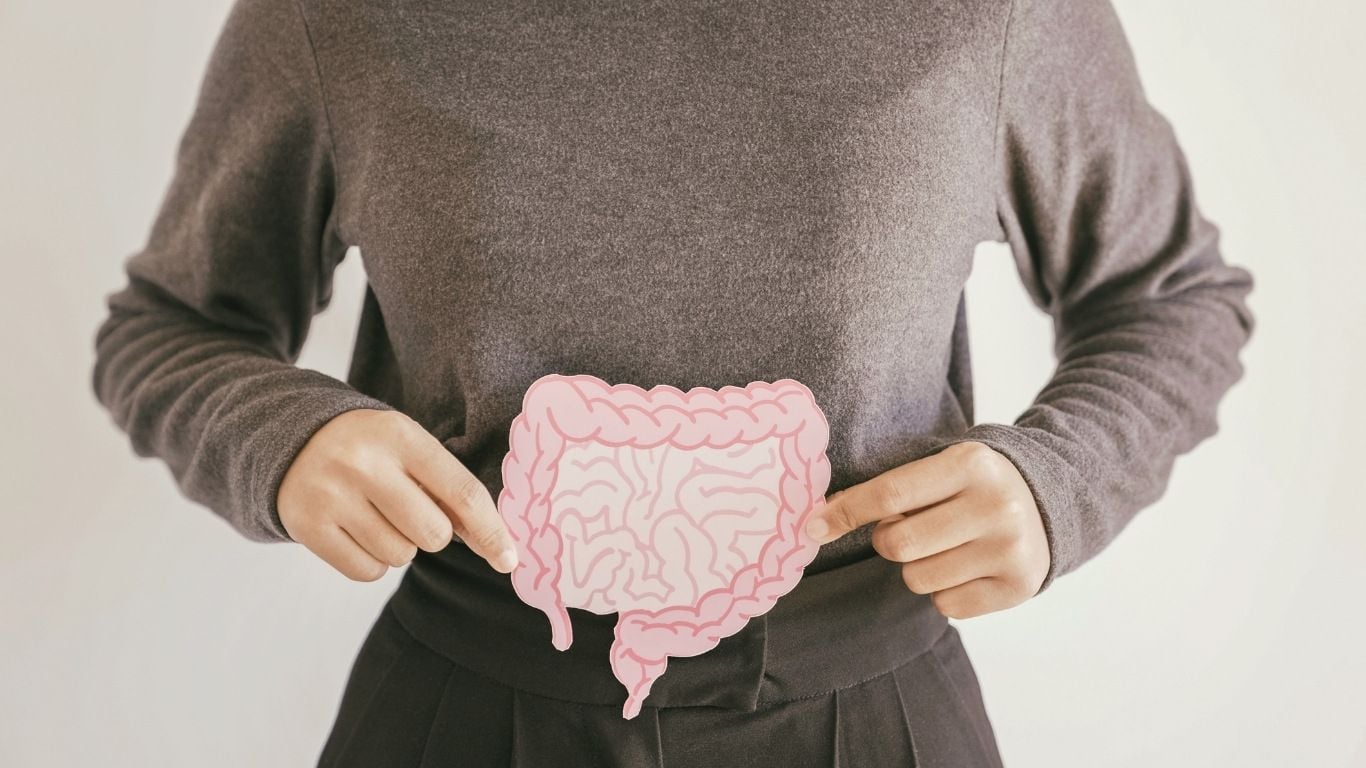
The gut is where food is broken down and nutrients are absorbed, but that is only part of the story. The digestive system is also deeply connected to the immune system, nervous system, endocrine system, and detoxification pathways. A large portion of immune activity happens in and around the gut, and the gut microbiome helps regulate inflammation, metabolism, and communication between body systems.
When gut health is strong, the body tends to absorb nutrients efficiently, regulate inflammation more effectively, and maintain more stable signaling between the brain and body. When gut health is compromised, symptoms can show up in ways that do not seem digestive at all. That is why looking at the gut can be so helpful when symptoms feel broad or difficult to pin down.
The gut-hormone connection
Hormones do not act in isolation. They are produced, signaled, broken down, and cleared through systems that rely on good digestion and liver function. The gut plays a key role in several parts of that process, especially when it comes to estrogen balance, cortisol resilience, blood sugar regulation, and inflammation.
The microbiome also matters. Certain gut bacteria influence how hormones are metabolized and whether they are effectively cleared from the body. If the microbiome is out of balance, hormones may circulate in ways that worsen symptoms rather than support balance.
How gut health influences hormones
Estrogen metabolism
Estrogen is processed through the liver and then moved into the digestive tract for elimination. If gut health is poor and elimination is sluggish, estrogen can be reabsorbed instead of removed. This may contribute to symptoms such as bloating, PMS, irritability, breast tenderness, headaches, or heavy periods.
This is one reason gut health matters in hormone care. If someone is trying to improve estrogen-related symptoms without addressing digestion or elimination, progress may be limited. Supporting the gut can make hormone balance feel much more achievable and much more stable.
Cortisol and stress resilience
Cortisol is your main stress hormone, and it affects blood sugar, inflammation, sleep, and energy. The gut and nervous system are constantly communicating, which means chronic stress can disrupt digestion, and poor gut health can make the body feel even more stressed. This creates a cycle that is often hard to break without a more complete approach.
If the gut is inflamed or the microbiome is imbalanced, the nervous system may stay more reactive. That can worsen anxiety, irritability, and poor stress tolerance. Supporting the gut helps reduce that inflammatory load and improve the body’s ability to respond to stress more effectively.
Blood sugar and insulin balance
Gut health also influences blood sugar regulation. When digestion is inconsistent or food choices are limited by symptoms, blood sugar can become more unstable. Inflammation and poor microbiome balance may also influence insulin sensitivity.
Blood sugar instability often affects hormones indirectly. It can worsen cortisol dysregulation, cravings, mood swings, and weight-related frustration. A healthy gut creates a stronger metabolic foundation, which supports better hormone regulation overall.
How gut health influences energy
Nutrient absorption
Your body cannot use what it does not absorb. If the gut is irritated, inflamed, or functioning inefficiently, nutrient absorption can suffer. This includes key nutrients involved in energy production such as iron, B vitamins, magnesium, protein, and essential fatty acids.
If someone is eating well but still feeling depleted, absorption needs to be considered. A gut-focused approach can help identify whether fatigue is being driven by what is missing, what is not being absorbed, or what is increasing inflammatory burden behind the scenes.
Inflammation and fatigue
A compromised gut can create low-grade inflammation that affects energy on a daily basis. This may not feel like illness in the traditional sense, but it can feel like dragging through the day, crashing in the afternoon, or never fully recovering from stress. Inflammatory molecules can affect cellular energy production and contribute to mental fatigue as well.
This type of fatigue is often frustrating because it feels hard to explain. People may look fine outwardly but feel deeply depleted. Supporting gut health can reduce one of the hidden drains on energy and help the body feel more resilient over time.
The gut-liver connection
The gut and liver are closely connected. Waste products, hormones, and inflammatory compounds move between these systems regularly. If gut health is poor, detoxification burden can increase, and if liver support is weak, gut symptoms may worsen.
That is one reason fatigue can improve when gut health improves. Better digestion, better elimination, and lower inflammation support not just the gut itself, but the body’s larger energy systems too. At NP Optimal Health, we often assess gut and detox function together for this reason.
How gut health influences mood
The gut-brain axis
The gut and brain are in constant conversation through the nervous system, immune system, and chemical signaling pathways. This is often called the gut-brain axis. When the gut is inflamed or the microbiome is out of balance, those signals can change in ways that affect mood, stress response, and mental clarity.
People with poor gut health may feel more anxious, more irritable, or less emotionally steady. That does not mean gut health is the only reason for mood symptoms, but it may be a significant contributor. Supporting the gut often helps people feel calmer, steadier, and more resilient.
Neurotransmitter support
The gut is involved in the production and regulation of several neurotransmitters and signaling molecules related to mood. These include serotonin and other compounds that influence emotional balance, sleep, and overall well-being. If the gut is under strain, that support system can become less efficient.
Poor digestion, microbiome imbalance, and inflammation can all influence how these pathways function. This is one reason people sometimes notice mood improvements when they address gut health, even if they started treatment for digestion alone.
Food reactions and emotional symptoms
Some people notice they feel mentally or emotionally worse after certain foods. This can happen because food reactions may trigger inflammation, digestive discomfort, or blood sugar swings that affect mood and cognition. The effect may show up as irritability, anxiety, brain fog, or a sudden drop in energy.
When this pattern is consistent, it is worth exploring rather than dismissing. A structured, personalized gut plan can help identify whether those food-related responses are part of a bigger picture involving the gut barrier, microbiome, or inflammation.
Signs gut health may be affecting your hormones, energy, and mood
PMS, irregular cycles, or hormonal swings
If your cycles feel more symptomatic than they used to, gut health may be part of the issue. Bloating, irritability, headaches, breast tenderness, and heavier periods can all be influenced by how hormones are being processed and eliminated. If estrogen is not clearing well, symptoms can build over time.
This is especially relevant if hormone symptoms occur alongside digestive complaints. When the gut and hormones are both being affected, a more integrated care plan is often much more effective than treating each symptom separately.
Fatigue and poor stress tolerance
If your energy feels low and your stress tolerance feels even lower, the gut may be contributing. Inflammation, poor absorption, unstable blood sugar, and microbiome imbalance can all create a body that feels less resilient. You may notice that small stressors feel bigger than they should.
This kind of pattern deserves a closer look. It often responds well to a plan that supports digestion, nutrient status, meal timing, sleep, and nervous system regulation together.
Weight loss resistance or cravings
The gut influences appetite regulation, blood sugar balance, and inflammation, all of which affect metabolism. If you feel like you are doing the “right” things but your body is not responding, gut health may be one of the missing pieces. Cravings can also be driven by unstable blood sugar or microbiome shifts.
A gut-focused plan is not a weight-loss shortcut, but it can help remove some of the hidden obstacles that make progress feel hard. Better digestion and more stable energy often make healthy habits easier to maintain.
Skin changes and inflammation
Skin breakouts, redness, or flare-ups can reflect deeper digestive or inflammatory issues. If skin symptoms seem to come and go with stress, certain foods, or digestive discomfort, the gut is worth assessing. The skin often mirrors what is happening internally.
Supporting the gut can help reduce inflammatory burden and improve skin stability over time. This is not instant, but it can be very meaningful when surface-level solutions have not worked.
Mood swings, anxiety, or brain fog
Mood shifts are not always “just stress.” If they happen alongside digestive symptoms, poor sleep, fatigue, or food reactions, the gut may be part of the equation. Brain fog and emotional instability can both be influenced by inflammation and the gut-brain axis.
This is one of the reasons we take a full-body approach at NP Optimal Health. The goal is not to blame every symptom on the gut. The goal is to see whether the gut is contributing in a way that deserves support.
Supporting gut health for hormone balance, energy, and mood
Improve food quality and consistency
Whole foods create a more stable internal environment than highly processed ones. Quality protein, fiber, vegetables, healthy fats, and anti-inflammatory foods all support digestion, blood sugar, and detoxification. Consistency matters just as much as food quality.
Irregular eating patterns can worsen blood sugar swings and stress hormone output. A steadier rhythm often supports both the gut and the hormonal system. This is one reason nutrition is often the foundation of care.
Support digestion and elimination
Healthy digestion is about more than avoiding symptoms. It is also about effectively breaking food down, absorbing nutrients, and eliminating waste. Constipation, bloating, and irregular bowel movements can all affect hormone clearance and inflammatory burden.
Improving elimination is often one of the simplest ways to support the gut-hormone connection. Hydration, fiber, stress management, and digestive support all matter here.
Rebuild the microbiome
A more balanced microbiome can support estrogen metabolism, immune regulation, digestion, and even emotional resilience. This may involve prebiotic foods, probiotic support, fermented foods, or more targeted strategies depending on the person. The right plan depends on symptoms, tolerance, and the bigger clinical picture.
At NP Optimal Health, we do not assume more probiotics are always better. We look at what the body is actually tolerating and what kind of support is most likely to help without creating more discomfort.
Address stress and sleep directly
If the nervous system is constantly overstimulated, the gut and hormones both suffer. Sleep, recovery, and nervous system regulation are not optional when it comes to feeling better. They are central to whether the body can repair and respond well to treatment.
Simple practices such as walking, breathing work, better sleep routines, and creating more stable daily rhythms can make a real difference. They may not seem dramatic, but they are often what makes other treatments work better.
How NP Optimal Health can help
At NP Optimal Health, we help patients connect symptoms that often get treated separately. If you are dealing with hormone imbalance, low energy, mood shifts, and digestive symptoms, we look at how those patterns may be interacting rather than tackling them in isolation. This allows us to build more personalized and more effective plans.
Depending on your needs, your care plan may include gut-focused support, nutrition strategies, digestive work, detox support, hormone assessment, or a combination of these. The goal is to help your body become more balanced and more resilient over time.
Support Better Hormone Balance, Energy and Mood Through Gut Health
The gut has a powerful influence on hormone balance, energy levels and emotional well-being. When digestion, nutrient absorption and the gut microbiome are functioning well, the body is better equipped to regulate inflammation, process hormones and maintain steadier communication between the gut and brain. When these systems are under strain, symptoms may appear in ways that are easy to overlook or misinterpret.
At NP Optimal Health, we look beyond individual symptoms to understand how your digestion, hormones, energy and mood may be connected. If you are experiencing persistent bloating, fatigue, hormonal symptoms, brain fog or mood changes, a personalized assessment can help identify potential contributing factors and the right place to begin. Contact NP Optimal Health to schedule a consultation and take the next step toward improving your gut health and overall well-being.
| Tags:Detox and CleanseWeight LossGut Health |