

Signs Your Liver Detox Pathways Need Support
 "Signs Your Liver Detox Pathways Need Support")
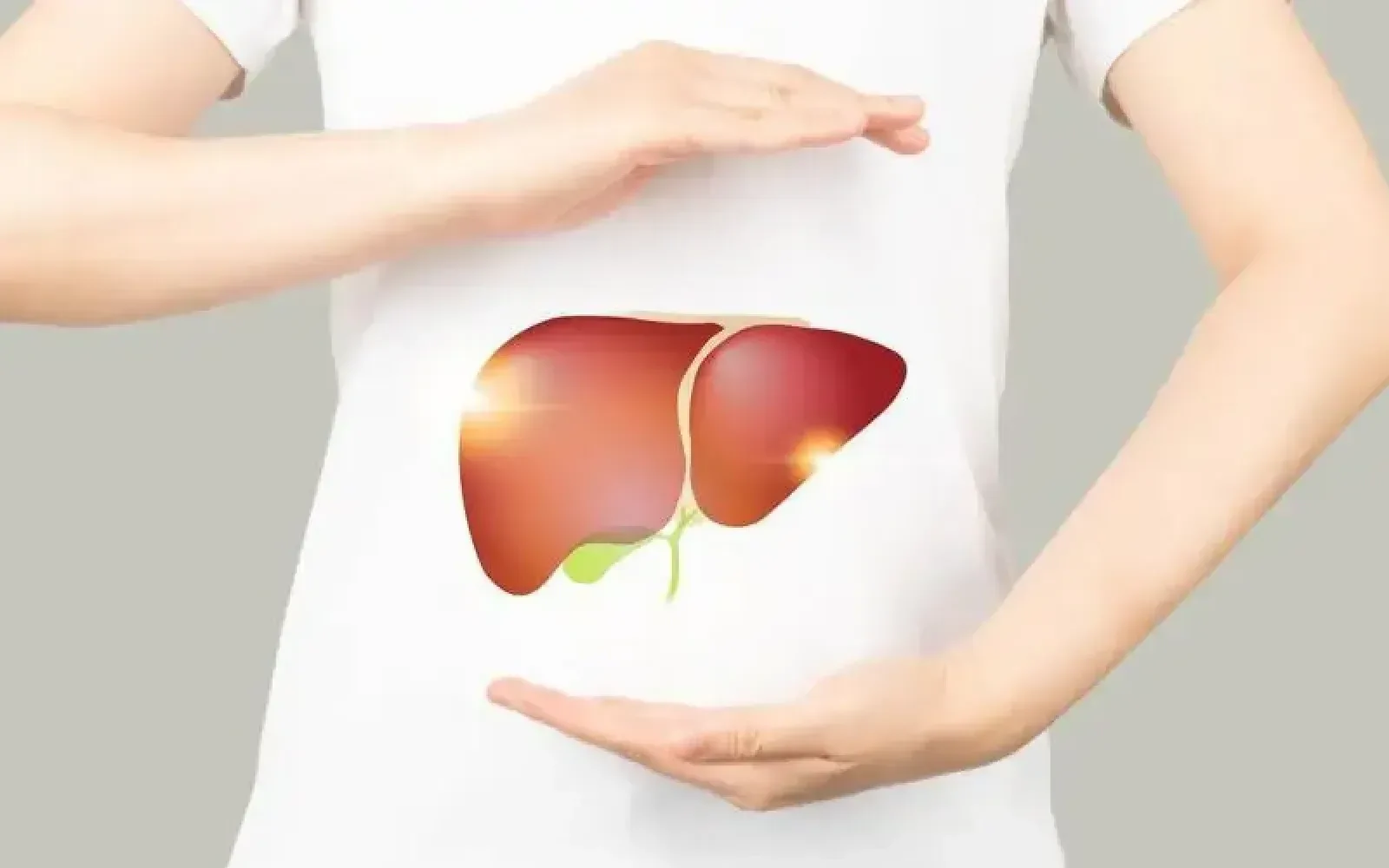
Your liver works hard for you every single day. It helps process hormones, filter waste, support digestion, regulate blood sugar, and break down toxins from food, alcohol, medications, and the environment. Most of the time, this happens quietly in the background. But when your detox pathways become overburdened, your body often starts sending subtle signals that something needs more support.
At NP Optimal Health, we often see people who do not necessarily feel “sick,” but they do not feel well either. They may be tired, bloated, foggy, irritable, or struggling with skin flare-ups and hormone symptoms that seem unrelated on the surface. In many cases, these symptoms connect back to how well the liver and elimination systems are functioning. This article explains what liver detox pathways do, signs they may need support, what can interfere with them, and how a safe, evidence-informed approach can help.
What your liver detox pathways actually do
The liver is one of the body’s primary detox organs. It helps transform substances that could be harmful into forms that can be safely removed through urine, stool, sweat, or bile. This includes environmental chemicals, alcohol, medications, metabolic byproducts, and even hormones your body has already used.
Detoxification is not a trendy wellness concept. It is a normal physiological process your body relies on every day to maintain internal balance. When those pathways are well supported, the body can process and eliminate waste efficiently. When they are under strain, symptoms can begin to build over time.
A simple look at the detox process
Phase 1: Transformation
In Phase 1 detoxification, liver enzymes begin breaking compounds down into intermediate substances. This is a necessary first step, but it can temporarily make those compounds more reactive. If this stage moves too quickly compared with the next stage, some people may feel worse rather than better.
Phase 2: Conjugation
In Phase 2, the liver attaches nutrients such as amino acids, sulfur compounds, and antioxidants to those intermediate substances so they can be safely carried out of the body. This stage depends heavily on good nutrition. If you are low in protein, B vitamins, magnesium, or antioxidants, this stage may not work as efficiently.
Elimination
Once toxins are processed, the body still needs to eliminate them. That means regular bowel movements, adequate hydration, healthy kidney function, and bile flow all matter. If elimination is sluggish, toxins can be reabsorbed rather than removed.
Signs your liver detox pathways may need support
Persistent fatigue
Fatigue is one of the most common signs that detox pathways may need more support. When the body is dealing with a higher toxic load or sluggish elimination, energy can drop because more resources are going toward basic maintenance and repair. This can feel like waking up tired, dragging through the afternoon, or never quite feeling refreshed no matter how much sleep you get.
Fatigue is not always caused by the liver, but the liver is often part of the bigger picture. Blood sugar instability, inflammation, poor sleep, and digestive strain can all interact with detox function. When liver support is added to a broader health plan, people often notice more stable energy throughout the day.
Brain fog and poor concentration
If you feel mentally cloudy, forgetful, or like you cannot focus as clearly as you used to, detox overload may be a contributing factor. When the body is not efficiently processing waste products, inflammation can increase and cognitive sharpness can suffer. Many people describe this as feeling “off,” even if they cannot explain exactly why.
Brain fog can also be influenced by hormone imbalance, poor sleep, food sensitivities, and digestive dysfunction. The liver helps process hormones and inflammatory compounds, so when those systems are not moving well, mental clarity often declines. Supporting detox pathways can be one useful piece of restoring better focus and mental stamina.
Bloating, constipation, or sluggish digestion
The liver and digestive system work closely together. The liver produces bile, which helps break down fats and supports regular elimination. If bile flow is sluggish or digestion is compromised, people may notice bloating after meals, constipation, nausea, or a general sense of heaviness.
Constipation is especially important when discussing detox. Even if the liver is doing its job properly, the body still needs to get waste out. If bowel movements are infrequent, toxins can sit longer in the digestive tract and may be reabsorbed. That is one reason digestive support is such an important part of liver support at NP Optimal Health.
Skin breakouts, rashes, or dull skin
Your skin can reflect what is happening internally. When detox pathways are under strain, the body may use the skin as another route of elimination. This can show up as acne, congestion, irritation, itchiness, or dull-looking skin.
That does not mean every skin issue starts in the liver, but internal burden can absolutely play a role. If someone is dealing with skin flare-ups along with digestive issues, fatigue, or hormone symptoms, it makes sense to assess liver and gut function together. Supporting detox pathways can often improve not just symptoms, but overall skin clarity and resilience.
Hormonal symptoms
The liver helps metabolize and clear hormones such as estrogen and cortisol. If detox pathways are not functioning well, hormones can linger longer than they should and contribute to symptoms like PMS, irritability, breast tenderness, headaches, bloating, or heavy cycles. This is one reason liver support is often relevant in hormone-focused care.
At NP Optimal Health, we look at the full picture rather than isolating one symptom. If someone is struggling with hormone imbalance, we consider stress, sleep, gut health, blood sugar, and detox capacity. Supporting liver function can make hormone-focused treatment more effective and more sustainable.
Sensitivity to alcohol, caffeine, or strong smells
If you have become less tolerant of alcohol, caffeine, supplements, or chemical smells, it may be a sign that your body is under more load. While sensitivity can happen for many reasons, reduced resilience to common exposures can point toward detox pathways that are struggling to keep up. People sometimes describe this as feeling unusually reactive or easily overwhelmed.
This does not mean your body is failing. It usually means it needs more support, less exposure, and a more strategic approach. Reducing burden while improving nutrition and elimination often helps the body become more resilient again.
What can burden liver detox pathways
A highly processed diet
Highly processed foods can increase the amount of work the liver has to do. Additives, preservatives, excess sugar, inflammatory oils, and low nutrient density all make detoxification harder. At the same time, these foods tend to crowd out the very nutrients the liver needs to function well.
A diet built around whole foods gives the body more fiber, antioxidants, minerals, and amino acids. Those nutrients help support both liver function and elimination. Even relatively small changes in diet can reduce internal burden over time.
Chronic stress
Stress affects far more than mood. Chronic stress changes cortisol patterns, impacts digestion, worsens inflammation, and can interfere with both liver function and elimination. When the body is in a constant state of fight-or-flight, repair and detoxification often take a back seat.
This is why detox support cannot just be about supplements or food. If the nervous system is exhausted, the body’s healing capacity is reduced. Supporting stress resilience is often essential for successful detoxification.
Poor sleep
Sleep is one of the body’s most important times for restoration and repair. When sleep is poor, the body becomes more inflamed, blood sugar becomes less stable, and detoxification can become less efficient. People often underestimate how much poor sleep affects their physical symptoms.
Improving sleep hygiene is one of the most powerful ways to support detox pathways naturally. Better sleep supports liver function, hormone balance, cognitive clarity, and energy all at once. It is a foundational piece of care, not an optional add-on.
Environmental exposures
Everyday life exposes us to personal care products, household cleaners, plastics, pesticides, air pollution, and more. No one can avoid all exposure, but cumulative burden matters. Over time, this can add stress to the liver and increase the body’s detox needs.
The goal is not fear. The goal is awareness and reduction where possible. Swapping a few common products, storing food differently, or improving indoor air quality can be practical steps that lighten overall burden.
Natural ways to support liver detox pathways
Eat enough protein
Protein is essential for Phase 2 detoxification. Amino acids help bind and neutralize compounds so they can be removed safely. If someone is under-eating protein, detox capacity can be compromised even if they are otherwise eating “healthy.”
A balanced intake of protein throughout the day also helps stabilize blood sugar and support energy. This matters because blood sugar instability increases stress hormones, which can further burden the liver. Protein is one of the simplest and most important foundations of liver support.
Increase fiber and regular elimination
Fiber supports detoxification by helping bind waste in the digestive tract and move it out of the body. Without enough fiber, elimination can slow down and reabsorption becomes more likely. Many people need both more fiber and more hydration for this to work properly.
Regular bowel movements are not just a digestion issue. They are a detox issue too. Supporting elimination is often one of the first areas we address at NP Optimal Health because it is so foundational.
Support hydration
Water helps the kidneys and digestive tract remove what the liver has already processed. If you are dehydrated, elimination can become sluggish and symptoms may worsen. Even mild dehydration can contribute to headaches, fatigue, and constipation.
Hydration does not need to be complicated. Consistent water intake through the day is usually more helpful than trying to “catch up” all at once. Some people also benefit from mineral support if hydration has been poor for a long time.
Eat more cruciferous vegetables and antioxidant-rich foods
Foods such as broccoli, cauliflower, Brussels sprouts, arugula, kale, berries, citrus, and leafy greens contain compounds that support detox pathways. These foods provide antioxidants and plant nutrients that help the liver manage oxidative stress. They also support hormone metabolism and overall inflammatory balance.
This is one reason food-first detox support can be so effective. It gives the body what it needs rather than trying to force change. Simple daily nutrition habits often create more lasting benefit than short-term cleanses.
Reduce burden before adding more support
Sometimes the best liver support starts with reducing what is getting in. Cutting back on alcohol, ultra-processed foods, unnecessary supplements, or heavily fragranced products can immediately reduce stress on detox pathways. This creates space for the body to catch up.
At NP Optimal Health, we often focus first on foundations. Once burden is lowered and elimination is working better, the body often responds much more positively to deeper detox support.
How NP Optimal Health can help
At NP Optimal Health, we approach liver support as part of a bigger clinical picture. We assess symptoms, digestion, stress patterns, hormone health, nutrition, and lifestyle factors to understand where the burden is coming from. Then we create a personalized plan that supports your body without pushing it too hard.
This may include nutrition strategies, digestive support, targeted supplements, gut-focused work, or a structured detox program when appropriate. The goal is not to chase trendy detox ideas. The goal is to help your body work better, feel better, and become more resilient over time.
Support Your Liver Detox Pathways with a Personalized Health Plan
Your liver works around the clock to help regulate hormones, process nutrients, eliminate waste, and support your overall health. When your liver detox pathways become overburdened, symptoms such as fatigue, brain fog, digestive discomfort, skin concerns, and hormone imbalances can begin to affect your quality of life. While these symptoms may have multiple contributing factors, they often signal that your body could benefit from a more comprehensive assessment and personalized support.
At NP Optimal Health, we take an evidence-informed, whole-body approach to liver health. Rather than relying on restrictive detoxes or quick fixes, we focus on identifying the root causes of your symptoms and developing a customized plan that supports healthy detoxification through nutrition, lifestyle changes, digestive health, targeted supplementation, and hormone optimization when appropriate.
If you're experiencing ongoing fatigue, digestive issues, hormone imbalances, or other symptoms that may be linked to liver function, contact NP Optimal Health today to book a consultation. Our team will work with you to develop a personalized wellness plan designed to support your liver, improve your overall health, and help you feel your best—naturally.
| Tags:Detox and CleanseLow Dose Naltrexone LDN |