

Signs Your Liver Detox Pathways Need Support: Understanding When Your Body Is Asking for Help
 "Signs Your Liver Detox Pathways Need Support: Understanding When Your Body Is Asking for Help")
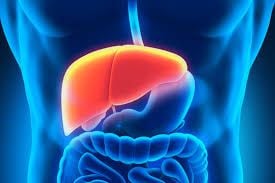
Your liver is one of the hardest-working organs in your body. Every day it filters your blood, processes nutrients, regulates hormones, and neutralizes toxins that come from food, medications, environmental chemicals, and normal metabolic processes. Most of the time this happens quietly and efficiently without you ever noticing.
However, when detoxification pathways become overburdened, the body often sends signals that something needs attention. These signals can be subtle at first — fatigue, brain fog, digestive discomfort — but over time they may become more persistent or disruptive.
At NP Optimal Health, we often see patients who feel “off” but can’t quite explain why. Their symptoms may not point to a single diagnosis, yet when we examine liver function and detox pathways more closely, we often uncover patterns of overload. Supporting detoxification does not mean forcing the body to eliminate toxins faster. Instead, it means strengthening the natural processes your body already uses to maintain balance.
This guide explores common signs that your liver detox pathways may need support, why those symptoms occur, and what you can do to restore healthy function.
Why Liver Detoxification Matters
The liver performs hundreds of biochemical processes that keep your body functioning smoothly. Among its most important roles is detoxification — converting potentially harmful compounds into substances that can be safely eliminated.
Every day the liver processes:
Environmental toxins
Food additives and preservatives
Hormones such as estrogen and cortisol
Medications and alcohol
Metabolic waste products
When detox pathways are working efficiently, these compounds are neutralized and removed without causing problems. But when the system becomes overloaded, toxins may circulate longer in the bloodstream and contribute to inflammation throughout the body.
This is why symptoms of impaired detoxification often appear in areas that seem unrelated to the liver, including digestion, skin, mood, and hormone balance.
How Liver Detoxification Works
Understanding the detoxification process helps explain why symptoms can develop.
Phase 1: Activation
During Phase 1 detoxification, enzymes in the liver break down toxins into intermediate compounds. These compounds are often more reactive than the original toxins and must quickly move into Phase 2 for safe processing. If Phase 1 activity exceeds Phase 2 capacity, temporary symptoms such as headaches, fatigue, or irritability can occur. This is why balanced detox support is essential rather than simply “speeding up” detox.
Phase 2: Conjugation
Phase 2 detoxification attaches amino acids, sulfur compounds, and antioxidants to those reactive intermediates. This process makes them water-soluble so they can be excreted through urine or bile. Nutrients such as glutathione, B vitamins, magnesium, and glycine play a crucial role in this stage. Without adequate nutritional support, toxins may linger longer than intended.
Elimination
After Phase 2 processing, toxins are removed through bile, urine, stool, and sweat. Efficient elimination depends on hydration, healthy digestion, and regular bowel movements. If elimination slows, toxins may recirculate through the bloodstream rather than leaving the body.
Signs Your Liver Detox Pathways May Need Support
The body often signals detox overload through a variety of symptoms. These signs don’t always mean something is seriously wrong, but they do indicate that your detox pathways may benefit from additional support.
Persistent Fatigue and Low Energy
Fatigue is one of the most common signs that detox pathways may be under strain. When the liver is working harder to process toxins, it diverts energy away from other metabolic processes. This can lead to a constant feeling of tiredness even when sleep appears adequate.
Additionally, toxin accumulation can contribute to inflammation, which further reduces cellular energy production. Mitochondria — the energy-producing structures within cells — function less efficiently when inflammation is present. Supporting detox pathways can help restore metabolic efficiency and improve daily energy levels.
Brain Fog and Difficulty Concentrating
The liver plays a role in filtering substances that affect neurological function. When detox pathways slow down, certain metabolic byproducts can circulate in the bloodstream and influence cognitive clarity. This may appear as brain fog, forgetfulness, or difficulty concentrating.
Many patients describe feeling mentally “cloudy” or less sharp than usual. Supporting detoxification helps reduce circulating inflammatory compounds that interfere with brain signaling. Over time, improved detox pathways often lead to clearer thinking and better focus.
Digestive Discomfort
Digestive symptoms are closely connected to liver function. The liver produces bile, which helps break down dietary fats and supports elimination through the intestines. When detox pathways are sluggish, bile flow may be reduced, contributing to bloating, constipation, or discomfort after meals.
Additionally, impaired detoxification can influence the gut microbiome. Certain bacteria thrive in inflammatory environments, which can worsen digestive symptoms. Addressing liver support often improves both digestion and microbial balance.
Skin Irritation and Breakouts
The skin is sometimes called the body’s “backup detox organ.” When internal detox pathways are overwhelmed, the body may attempt to eliminate waste through the skin instead. This can appear as acne, rashes, or unexplained irritation.
While skincare products may temporarily reduce symptoms, they rarely address the underlying cause. Improving liver detoxification reduces circulating toxins that contribute to inflammatory skin responses. As internal balance improves, many people notice clearer and healthier-looking skin.
Hormonal Imbalance Symptoms
The liver is responsible for metabolizing hormones such as estrogen, progesterone, and cortisol. When detox pathways slow down, hormones may accumulate or remain active longer than intended. This can contribute to symptoms such as PMS, mood swings, weight gain, or irregular cycles.
Supporting liver detoxification helps maintain hormonal balance by ensuring excess hormones are properly processed and eliminated. This is particularly important during periods of hormonal transition such as perimenopause.
Sensitivity to Foods or Chemicals
If you suddenly become sensitive to foods, fragrances, or environmental chemicals, your detox pathways may be under strain. When the liver is overloaded, it becomes less efficient at neutralizing foreign substances. This can lead to exaggerated immune responses to exposures that were previously well tolerated.
Food sensitivities may appear as bloating, headaches, or fatigue after eating certain meals. Chemical sensitivities can cause dizziness, nausea, or irritation when exposed to perfumes or cleaning products. Supporting detox pathways helps restore the body’s resilience to these exposures.
Factors That Can Burden Detox Pathways
Several lifestyle and environmental factors can contribute to detox overload.
Environmental Toxin Exposure
Modern life exposes us to a wide range of chemicals including pesticides, plastics, air pollution, and industrial compounds. While the body is designed to handle small amounts of these substances, cumulative exposure can strain detox pathways. Over time this burden may contribute to inflammation and fatigue.
Reducing exposure whenever possible — for example by using glass containers instead of plastic or choosing cleaner personal care products — can lighten the liver’s workload. Even small changes can make a meaningful difference over time.
Highly Processed Diets
Highly processed foods often contain additives, preservatives, and artificial ingredients that must be processed by the liver. Diets high in refined sugars and unhealthy fats can also increase inflammation and fatty liver risk. These factors make detoxification less efficient.
Shifting toward whole foods rich in fiber, antioxidants, and healthy fats helps support liver function. Nutrient-dense diets provide the building blocks needed for detox pathways to operate properly.
Chronic Stress
Stress has a significant impact on liver function. Elevated cortisol levels influence metabolism, digestion, and inflammation throughout the body. Chronic stress can impair detoxification enzymes and disrupt bile flow.
Supporting stress regulation through movement, breathing exercises, and adequate rest can improve detox efficiency. The liver functions best when the nervous system is balanced.
Poor Sleep
The body performs many repair and detoxification processes during sleep. Inadequate sleep disrupts these processes and increases inflammation. Over time, poor sleep habits may contribute to detox overload.
Improving sleep quality supports liver regeneration and metabolic balance. Consistent sleep routines are one of the most effective ways to support detox pathways naturally.
Natural Ways to Support Liver Detoxification
Supporting detoxification does not require extreme cleanses. Instead, simple daily habits can significantly improve liver function.
Prioritize Whole Foods
Whole foods provide vitamins, minerals, and antioxidants that support detox enzymes. Vegetables such as broccoli, kale, and Brussels sprouts contain compounds that enhance Phase 2 detoxification. These foods also provide fiber that supports elimination through the digestive tract.
Incorporating a variety of colorful vegetables ensures a wide range of protective nutrients. Balanced meals with protein, healthy fats, and fiber help stabilize blood sugar and reduce metabolic stress on the liver.
Stay Well Hydrated
Water plays an essential role in transporting toxins out of the body. Proper hydration supports kidney function and helps flush waste products through urine. Dehydration can slow elimination and increase toxin recirculation.
Aim for consistent hydration throughout the day rather than consuming large amounts at once. Herbal teas and mineral-rich broths can also contribute to hydration while supporting digestion.
Support Gut Health
The gut and liver work closely together through the “gut-liver axis.” When gut bacteria are balanced, toxins are less likely to enter circulation. Fiber-rich foods and fermented foods support beneficial bacteria that help regulate detox processes.
Healthy digestion also ensures regular elimination, preventing toxins from being reabsorbed. Addressing gut health is often a critical component of liver detox support.
Encourage Gentle Movement
Physical activity stimulates circulation and lymphatic flow, both of which assist detoxification. Movement also promotes sweating, another pathway for toxin elimination. Moderate exercise such as walking, yoga, or cycling supports detox without overstressing the body.
Consistency is more important than intensity. Gentle daily movement can significantly improve overall detox efficiency.
Manage Stress and Prioritize Recovery
Stress management is a critical but often overlooked aspect of detox support. Practices such as deep breathing, meditation, or time outdoors can help calm the nervous system. When the body shifts out of chronic stress mode, digestion and detox pathways function more effectively.
Prioritizing recovery helps the body allocate energy toward repair rather than survival. Over time, this supports healthier detoxification and improved resilience.
How NP Optimal Health Supports Detox Pathways
At NP Optimal Health, detox support begins with understanding each patient’s unique physiology. We evaluate symptoms, diet, environmental exposures, digestion, and stress patterns to determine the best approach.
Our programs focus on strengthening the body’s natural detox pathways through:
Nutrient-dense nutrition plans
Targeted supplementation when needed
Gut health optimization
Stress and sleep support
Safe, gradual detox protocols
Rather than forcing rapid detoxification, we support the body’s ability to process toxins efficiently and sustainably.
Support Your Liver Detox Pathways for Better Energy, Hormone Balance, and Overall Health
If you’re experiencing persistent fatigue, brain fog, digestive discomfort, or hormonal imbalances, your body may be signaling that it needs additional support. At NP Optimal Health, we take a personalized, evidence-based approach to strengthening your liver detox pathways safely and effectively. Our team will assess your symptoms, lifestyle, and overall health to create a tailored plan that restores balance and improves long-term wellness.
Book your consultation today and take the first step toward better energy, clearer thinking, and optimal health.
| Tags:Detox and Cleanse |